Fasted training: who it makes sense for and who it backfires on
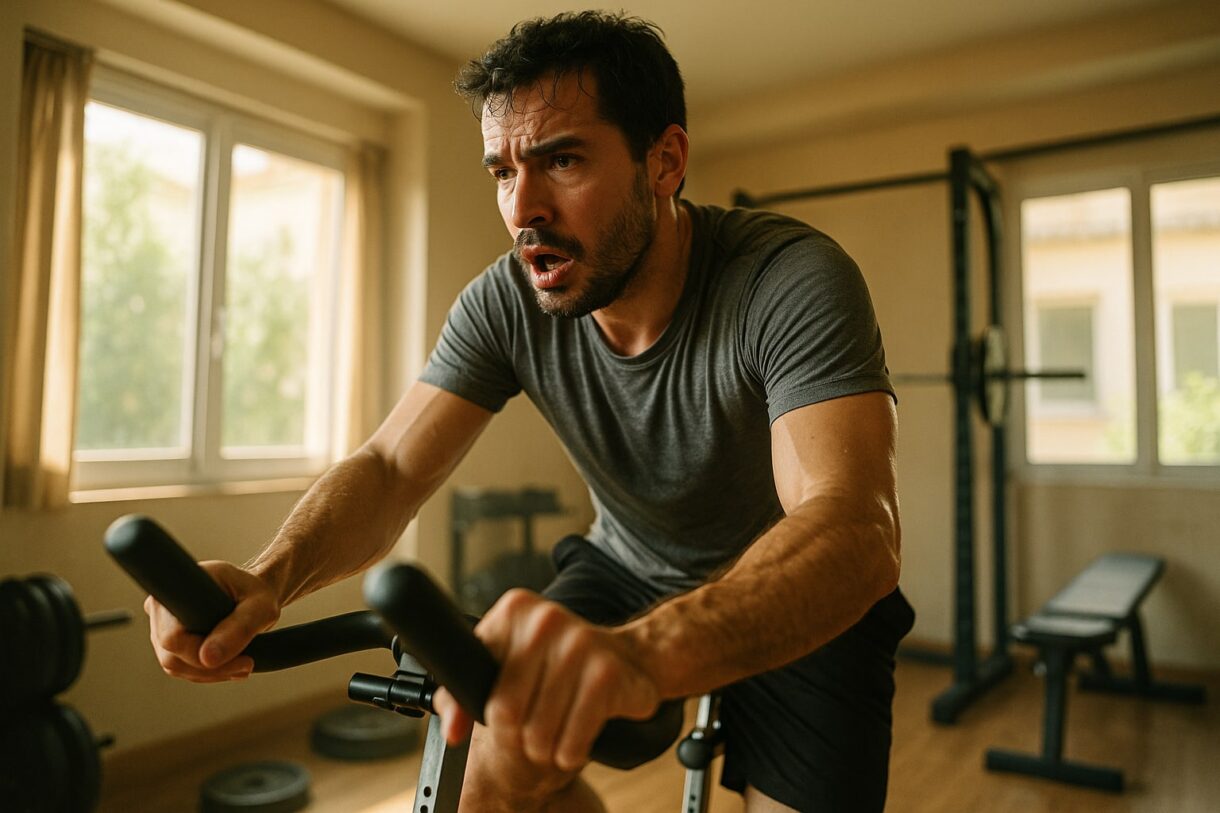
Training fasted has been debated for years. Does it burn more fat, does it eat muscle, does it improve performance, does it make you dizzy? The short answer is that it depends on the type of training, your profile and your goal. There is no single answer.
This article is aimed at healthy people who train regularly (beginners to advanced) and want to know whether adding sessions without eating brings them any real benefit. If you have diabetes, are pregnant or have a metabolic condition, skip straight to the contraindications section and consult your doctor before trying it.
What “training fasted” actually means
Training fasted isn’t just “skipping breakfast”. The usual physiological criterion is having gone 8-12 hours without ingesting calories, with insulin at baseline levels and liver glycogen partially depleted. That’s why the typical session is first thing in the morning.
A black coffee or unsweetened infusion doesn’t break the fast for practical purposes. A protein shake or a banana does.
Quick summary: who is it suited to?
| Profile | Train fasted? | Comment |
|---|---|---|
| Light cardio <60 min (Z2) | Yes | Useful for metabolic adaptation |
| Heavy strength / hypertrophy | No | Worse performance and recovery |
| HIIT or intense sets | No | Glycogen is limiting |
| Woman with irregular cycle | With caution | Hormonal risk |
| Type 1 diabetes | No | Risk of hypoglycaemia |
| Goal: gaining muscle mass | No | Hinders protein synthesis |
| Recreational long-run runner | Depends | See specific section |
What the evidence says about burning fat
Yes, training fasted increases fat oxidation during the session. This has been documented for years (Van Proeyen et al., 2010, Journal of Physiology). The problem is that oxidising more fat in a given session doesn’t equal losing more body fat in the medium term.
What determines whether you lose fat is weekly caloric balance, not whether you burned fat or glycogen on Tuesday at 7:00. Several meta-analyses (Hackett & Hagstrom, 2017) show null or minimal differences in body composition between training fasted or after eating, when total calories are matched.
If you’re interested in the approach specific to runners, we develop it in running fasted: what science says about performance and fat.
When training fasted makes sense
It fits reasonably well for:
- Easy Zone 2 runs (HR 60-70% max, RPE 3-4/10) of 30 to 60 minutes.
- Brisk walks or easy cycling in the morning.
- People already adapted, who have been doing it for weeks or months without symptoms.
- Aerobic preparation phases in endurance athletes looking to improve metabolic flexibility.
The real benefit here is physiological: your body becomes more efficient at using fat as fuel at low intensity. Useful for marathoners and triathletes. Irrelevant if you train for general fitness.
When it backfires
There are scenarios where training without eating takes away more than it adds:
- Heavy strength training (sets below 6 reps, loads >80% 1RM). The nervous system and muscle glycogen pay the price.
- HIIT or high-intensity sets (sprints, short intervals, CrossFit). Glycolysis takes over and without available fuel performance drops.
- Sessions >75-90 minutes, regardless of intensity.
- Hypertrophy goal: protein synthesis needs circulating amino acids. Training fasted and delaying post-workout protein is shooting yourself in the foot.
Women and training fasted
Here the evidence is more limited and more nuanced. The female hormonal axis is sensitive to acute energy deficit. Combining fasting + intense training + sustained caloric deficit can disrupt the menstrual cycle and, in extreme cases, lead to relative energy deficiency in sport (RED-S).
If your cycle is regular, you sleep well and your fasted training is light and short, there’s probably no problem. If you notice irregular cycles, drop in libido, persistent fatigue or recurrent injuries, first check whether you’re eating enough before adding fasting to the equation.
Clear contraindications
You should not train fasted, or should do so only under medical supervision, if:
- You have type 1 diabetes or insulin-dependent type 2: real risk of hypoglycaemia.
- You are pregnant or breastfeeding.
- You have a history of eating disorders.
- You suffer from hypotension or get dizzy easily.
- You take medication that requires food intake (some antihypertensives, thyroid medication per prescription).
Always consult your doctor if you belong to any of these groups.
What to eat if you decide not to train fasted
You don’t need a full breakfast. 20-40 g of carbohydrates and some protein 60-90 minutes beforehand is enough for most people:
- A banana + a Greek yoghurt.
- A slice of toast with turkey or fresh cheese.
- A coffee with oats and protein powder.
For short, low-intensity sessions, a coffee and a date will do the job.
Common mistakes when training fasted
- Going hard “because it’s on the plan”. If you’re fasted, lower the bar for the session.
- Not hydrating. Fasting is not dehydration. Water and, if you sweat a lot, calorie-free electrolytes.
- Delaying your post-workout meal more than 1-2 hours. Especially if you’re after hypertrophy.
- Doing it every day. As an occasional strategy (2-3 times a week) it makes more sense than as an absolute rule.
- Confusing it with caloric restriction. Training fasted and then compensating by overeating gets you nowhere.
If you’re coming back from a long break, prioritise progressing well before experimenting with fasting: here’s the 10% rule for progressing load without getting injured.
Three things you can do tomorrow
- Define the type of session before deciding. 45-minute easy run: fasting is viable. Bench press strength or 400 m repeats: eat first.
- If you try it, start short. 30 minutes at RPE 3-4. Observe how you respond. If you get dizzy or perform poorly, don’t push it.
- Measure results in weeks, not sessions. Weight, measurements, performance and daily energy. If everything improves, carry on. If something gets worse, rethink.
Frequently asked questions
Does training fasted burn more body fat?
During the session you oxidise more fat, yes. In the medium term, body fat loss depends on the weekly caloric deficit, not on the time of day you train. The evidence shows no clear advantage over training fed.
Will I lose muscle if I train fasted?
In short, low-intensity sessions, not in a relevant way. In long or intense sessions, or if you combine fasting with an aggressive caloric deficit and low protein, you can compromise muscle mass. Prioritise 1.6-2.2 g of protein per kilo per day.
Can I have coffee before training fasted?
Yes. Black coffee, tea or unsweetened infusions don’t break the fast for practical purposes, and caffeine (3-6 mg/kg) improves performance according to several meta-analyses. Avoid adding milk or sugar if you want to maintain the fasted state.
Is it compatible with 16/8 intermittent fasting?
Yes, it’s the most common combination. The sensible approach is to schedule training at the end of the fasting window, close to the first meal, so you can refuel quickly afterwards. If you do strength training, consider shifting the window to eat earlier.
How many times a week can I train fasted?
There’s no magic number. As a practical reference, 2-3 light sessions a week is a conservative dose most people tolerate well. Beyond that, the marginal benefit is doubtful and the risk of accumulated fatigue rises.
Fitness Nutrition Healthy Living #ayuno intermitente #entrenamiento en ayunas #metabolismo #nutrición deportiva #rendimiento físico


 Everything you need to know about muscle memory
 Entrenamiento HIIT: 5 ejercicios para hacer en casa
 Combinar entrenamiento en casa y al aire libre
Comentarios cerrados