Urinary wellness in sport: why caring for the urinary tract is also part of training
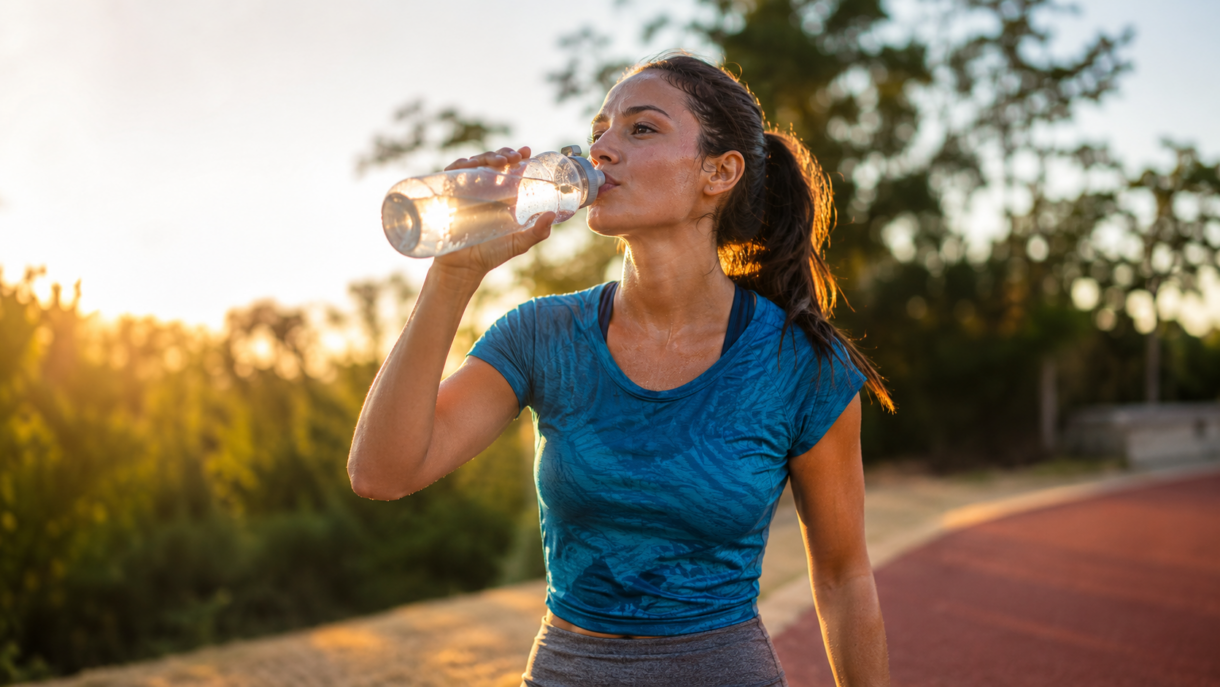

When it comes to an athlete’s recovery, the first things that usually come to mind are muscles, joints or rest. However, there is a system that works quietly during every training session and rarely receives the attention it deserves: the urinary system. Maintaining urinary wellness is, in fact, just one more part of the body care routine of anyone who is physically active, especially when training volume and sweating are high.
The relationship between physical activity and hydration
Intense exercise increases fluid loss through sweat, forcing the body to constantly adjust its water balance. The kidneys are responsible for filtering the blood, regulating that volume of fluid and eliminating waste products through urine. When the athlete does not properly replace the water lost, or when those who train hold back the urge to urinate during long sessions — something common in running, long-distance cycling or gym workouts without breaks — the urinary system works under less favorable conditions.
That is why, alongside proper hydration before, during and after exercise, more and more athletes pay attention to habits and supplements that contribute to the proper functioning of this system, especially during periods of heavier training load or in hot climates.
The role of natural supplements
There are plant-based ingredients whose use is very widespread among those seeking to support urinary tract health naturally. Cranberry is probably the best known: its proanthocyanidins form a film that hinders the adhesion of bacteria in the urinary tract. D-mannose, a monosaccharide naturally present in the body, acts in a similar way and is often combined with cranberry to reinforce its effect. Knotweed, for its part, promotes diuresis and contributes to the overall well-being of the urinary tract.
Marnys, a brand specialized in natural nutritional supplements, has developed its Cistomar line precisely around these active ingredients, combining cranberry, knotweed and D-mannose extracts with vitamins and minerals, in different formats designed to fit demanding daily routines, such as those of people who train regularly.
Habits that complement urinary tract care
Beyond supplementation, there are simple habits that make a real difference:
- Drink water regularly, not only when thirst appears, especially on days of more intense training.
- Do not hold back the urge to urinate during long sessions, since prolonged retention can gradually weaken the bladder muscles.
- Empty the bladder completely every time you go to the bathroom, avoiding being left with the feeling that urine remains.
- Look after intestinal transit, since digestive and urinary health are closely related.
- Moderate caffeine and alcohol consumption, substances that can irritate the urinary tract if taken in excess, especially combined with the physical strain of exercise.
- Strengthen the pelvic floor, a key muscle group for both sporting performance and urinary function, and one that is often trained insufficiently even among regular athletes.
Care that becomes part of the routine, rather than something added separately
Urinary tract care does not require major changes, but consistency: staying well hydrated, listening to the body’s signals and, if deemed necessary, relying on supplements with ingredients of recognized efficacy. Just as you look after your diet before a competition or plan rest after a demanding training session, paying attention to the urinary system is one more way of understanding sporting performance as a balance between different systems of the body, and not only as the result of muscular strength or endurance.
In the long run, integrating these small habits into the daily routine can make the difference between training comfortably and carrying discomforts that, although they may seem minor, end up affecting overall performance as well.

 Everything you need to know about muscle memory
 Entrenamiento HIIT: 5 ejercicios para hacer en casa
 Combinar entrenamiento en casa y al aire libre
Comentarios cerrados