Caffeine and race performance: dosage, timing and side effects
An evidence-based guide to how much caffeine to take before running, when to take it and which side effects to watch out for. Dosage by body weight, formats and genetic nuances.
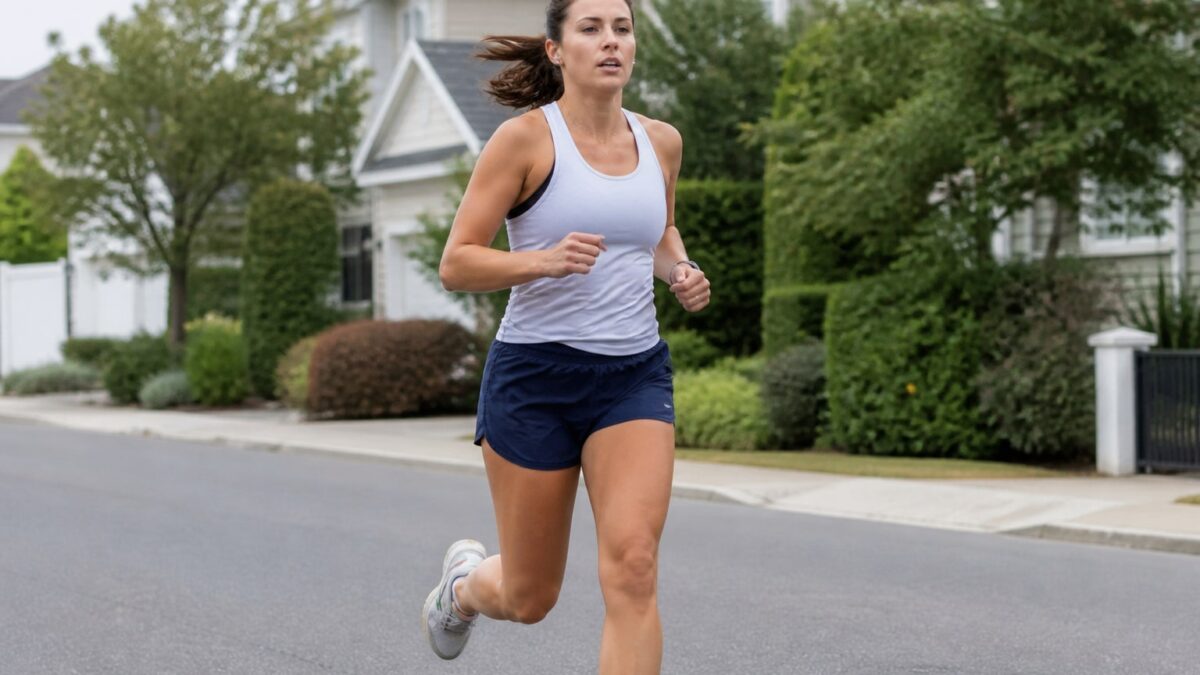
Coffee before a run isn’t a ritual, it’s chemistry. Caffeine is one of the few ergogenic aids with solid evidence behind it: it improves endurance performance by between 2% and 5% according to recent meta-analyses (Grgic et al., 2020, Sports Medicine). But the margin between “it helps me” and “it wrecks my stomach at kilometre 8” is narrower than it seems.
This article is for you if you run regularly, whether you are a beginner, intermediate or advanced runner, and you want to understand how much to take, when, and in what format. We’re not going to promise miracles. We’re going to give you ranges, timings and warnings.
What the evidence says about caffeine and performance
The official position of the International Society of Sports Nutrition (ISSN, 2021) and that of the American College of Sports Medicine agree: caffeine improves performance in aerobic endurance events, in short high-intensity efforts and in tasks requiring sustained concentration.
The main mechanism is the blocking of adenosine receptors in the brain, which reduces the perception of effort (RPE). Put another way: the same pace costs you less.
In running, the documented effects are:
- Improved time to exhaustion in endurance tests.
- Reduced RPE at submaximal intensities.
- Better performance in final race sprints (5K/10K finish).
- A slight increase in fatty acid mobilisation (of minor relevance in practice).
Caffeine dose for running: how much to take according to your weight
The dose with the best efficacy/tolerance ratio is between 3 and 6 mg per kilo of body weight. Below 3 mg/kg the effect is smaller; above 6 mg/kg it doesn’t improve further and side effects increase.
This table saves you the calculator:
| Body weight | Low dose (3 mg/kg) | Medium dose (4.5 mg/kg) | High dose (6 mg/kg) |
|---|---|---|---|
| 55 kg | 165 mg | 250 mg | 330 mg |
| 65 kg | 195 mg | 290 mg | 390 mg |
| 75 kg | 225 mg | 340 mg | 450 mg |
| 85 kg | 255 mg | 380 mg | 510 mg |
For reference, an espresso contains between 60 and 80 mg, a filter coffee cup between 90 and 140 mg, and a caffeinated gel usually contains between 25 and 100 mg.
If you’ve never tried caffeine before running, start at the low end of the range (3 mg/kg) and adjust during training sessions, never in a target race.
Timing: when to take it before training or competing
Peak plasma concentration is reached between 45 and 60 minutes after oral intake. That is the classic window for taking your pre-run dose.
Useful nuances:
- Coffee or capsules: take them 45-60 min before the start.
- Chewing gum or sublingual tablets: faster absorption, 10-20 min before.
- Caffeinated gels during the race: useful in events longer than 60-75 minutes, spread every 30-45 min.
The half-life of caffeine is 4 to 6 hours in healthy adults. If you train in the afternoon, be careful with sleep: a dose at 18:00 will still leave relevant levels at midnight.
Formats: coffee, capsules, gels and chewing gum
Each format has its moment.
- Coffee: cheap and familiar, but the dose is variable. Two espressos can contain between 120 and 200 mg depending on the beans and the machine.
- Anhydrous caffeine capsules: exact dose, no full stomach. Useful if you want precision.
- Caffeinated gels: designed for use during the race. Brands such as SIS, Maurten or High5 offer variants with 25, 75 or 100 mg.
- Chewing gum: rapid absorption through the oral mucosa, useful in the final kilometres.
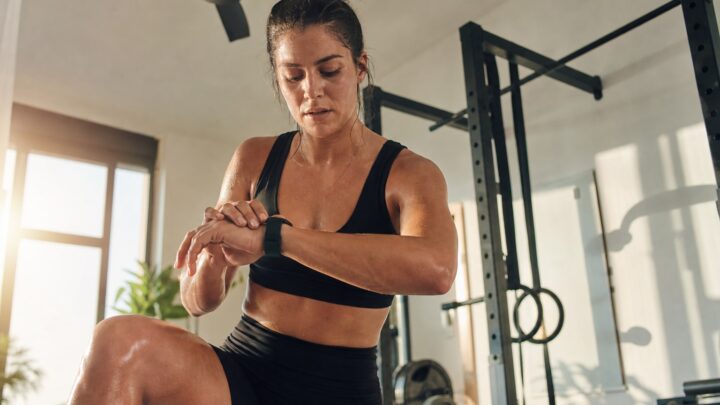
For long races it’s best to combine: a base dose 45 min before and top-ups with gels. If you want to go deeper into which metrics to monitor during effort, you may be interested in this guide on what a coach looks at on a GPS watch.
Genetics and individual response: the role of CYP1A2
We don’t all respond the same way. The CYP1A2 gene encodes the liver enzyme that metabolises caffeine. Carriers of the “fast” variant (AA) tend to benefit more; “slow” metabolisers (AC or CC) may notice side effects at lower doses and gain less ergogenic benefit (Guest et al., 2018, Medicine & Science in Sports & Exercise).
The evidence is promising but still limited to make individualised recommendations based on genetic testing. In practice: observe your response with low doses and adjust.
Side effects and contraindications
The most frequent ones:
- Tachycardia and palpitations.
- Gastrointestinal discomfort (especially with coffee, due to acidity).
- Nervousness, tremor.
- Sleep disruption.
- Increased urine output.
Caution or avoid in: pregnancy (usual limit of 200 mg/day according to obstetric guidelines), arrhythmias, uncontrolled hypertension, clinical anxiety and sleep disorders. If you take medication, consult your doctor: caffeine interacts with several drugs.
Common mistakes when using caffeine for running
- Trying it for the first time on race day. A classic mistake. Always rehearse in specific training sessions.
- Overdoing the dose thinking “more is better”. Above 6 mg/kg you only add side effects.
- Taking it on an empty stomach if you are sensitive. It increases the risk of stomach discomfort and of races interrupted by a toilet stop. If you train early, also check this piece on running fasted.
- Daily abuse and loss of sensitivity. Habitual consumption dulls the ergogenic effect. Some protocols reduce intake 3-7 days before a key event, although the evidence is mixed.
- Ignoring the impact on sleep. Sleeping badly ruins recovery more than caffeine adds to performance.
Practical wrap-up: what to do tomorrow
- Calculate your range: multiply your weight by 3 and by 6. That is your range in milligrams.
- Try the low dose on your next long run, 45 minutes beforehand. Note how you feel at km 10 and at the end.
- If you use gels in races longer than an hour, rehearse on training runs with the same protocol you will follow on race day.
Frequently asked questions
Can I take caffeine if I run in the afternoon or evening?
You can, but bear in mind its half-life of 4-6 hours. If you train after 18:00 and find it hard to sleep, try low doses (1-2 mg/kg) or caffeine-free formats.
Does caffeine dehydrate you when running?
The diuretic effect is mild and is offset by the fluid you drink. Recent reviews rule out a negative effect on hydration at usual doses (Maughan et al., Journal of the American College of Nutrition).
Is decaffeinated coffee useful before running?
Not for the ergogenic effect. A decaf contains between 2 and 15 mg, insufficient to improve performance. It serves as a ritual or for digestion, not as an aid.
Do you need to “detox” from caffeine before a race?
The evidence is mixed. Some studies suggest that cutting back 3-7 days beforehand may increase the effect, others find no difference. If you try it, do it gradually to avoid withdrawal headaches.
Can caffeine be combined with creatine or beta-alanine?
Yes, there is no documented negative interaction. They work through different mechanisms and can be used in the same plan without problems.
As an Amazon Associate, I earn from qualifying purchases.
0 comments · Comment