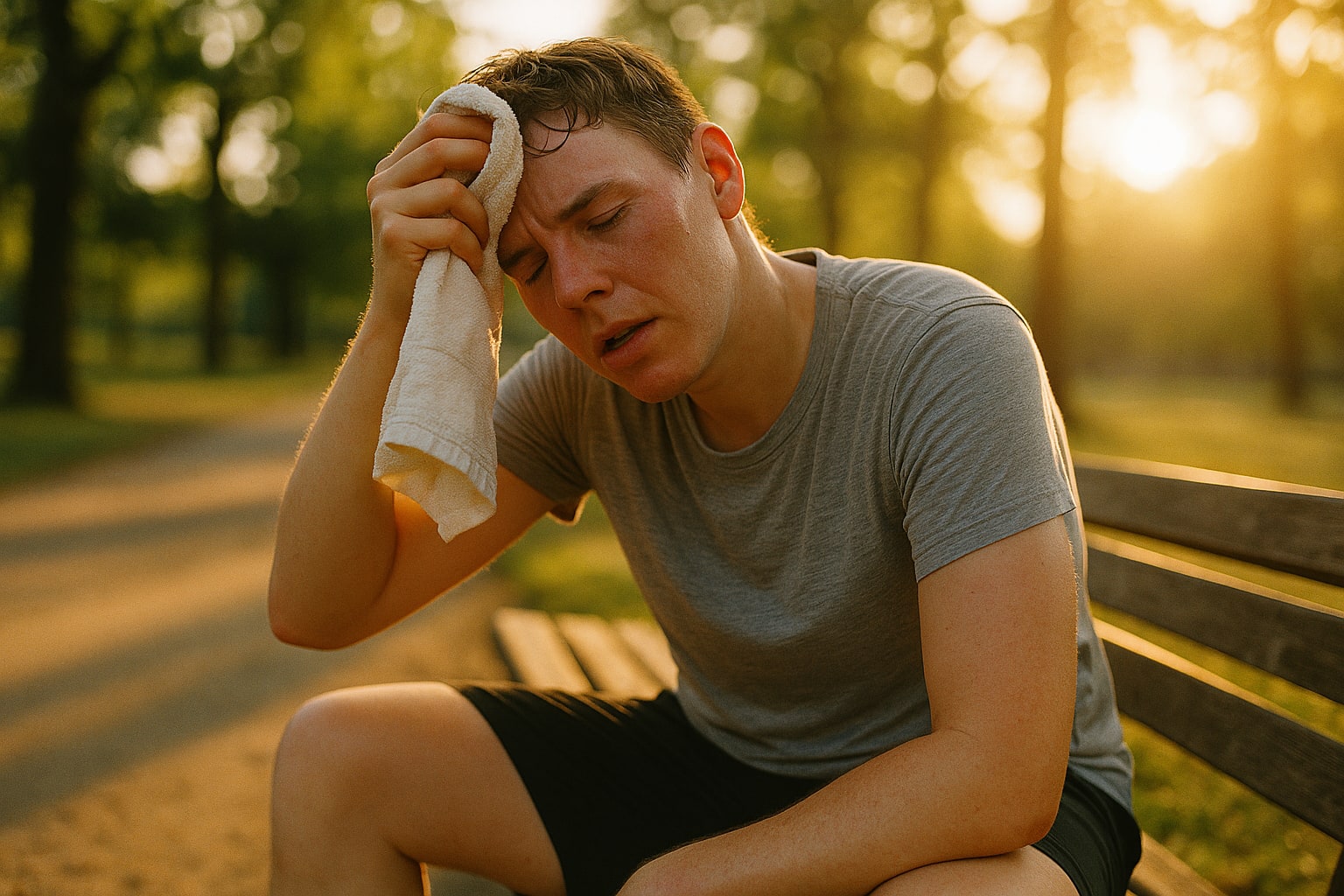
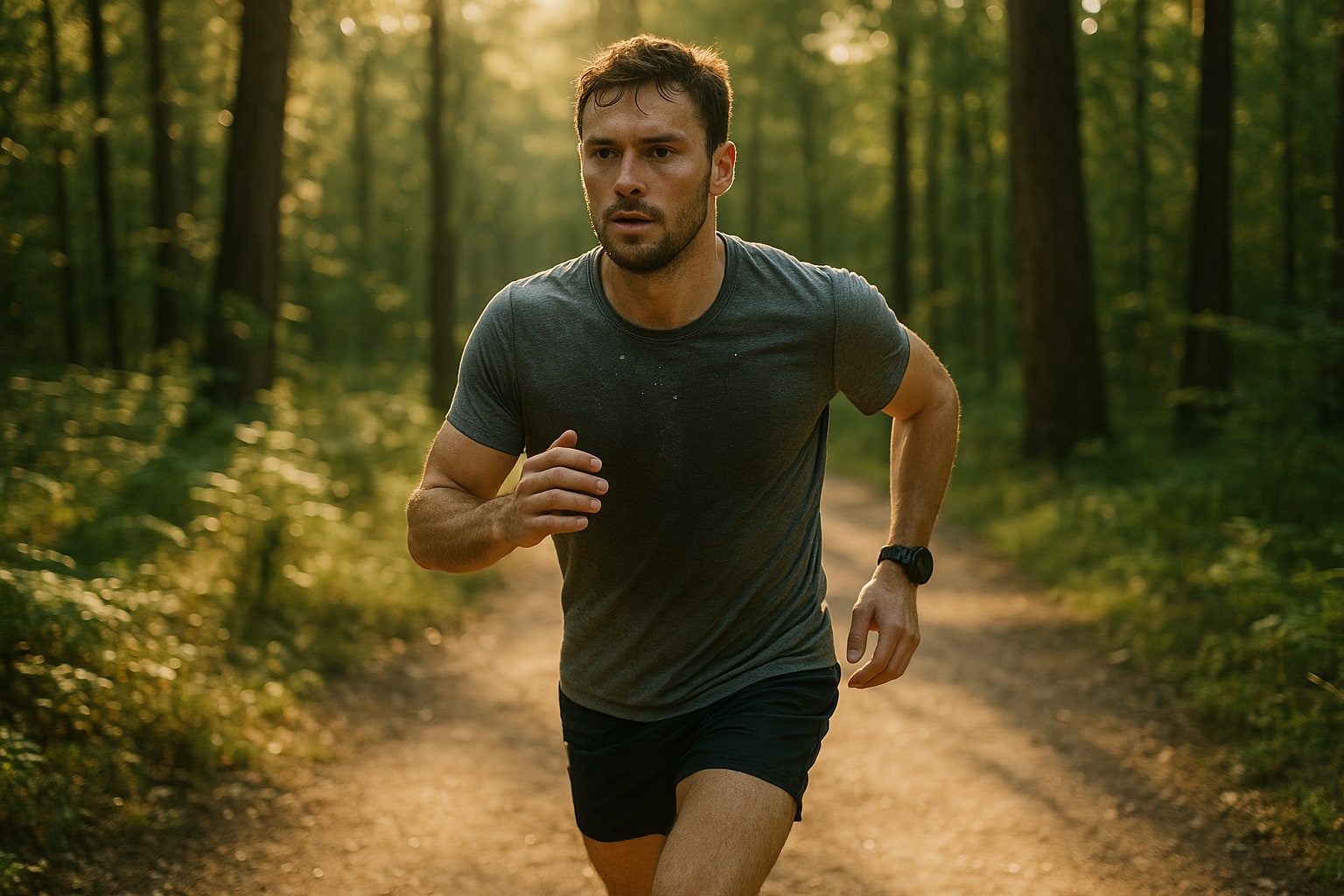
Training in autumn without getting sick: how to look after your defenses when the load goes up
Sleep, energy and training load matter more than any supplement. This is how to look after your defenses when training ramps up in autumn.
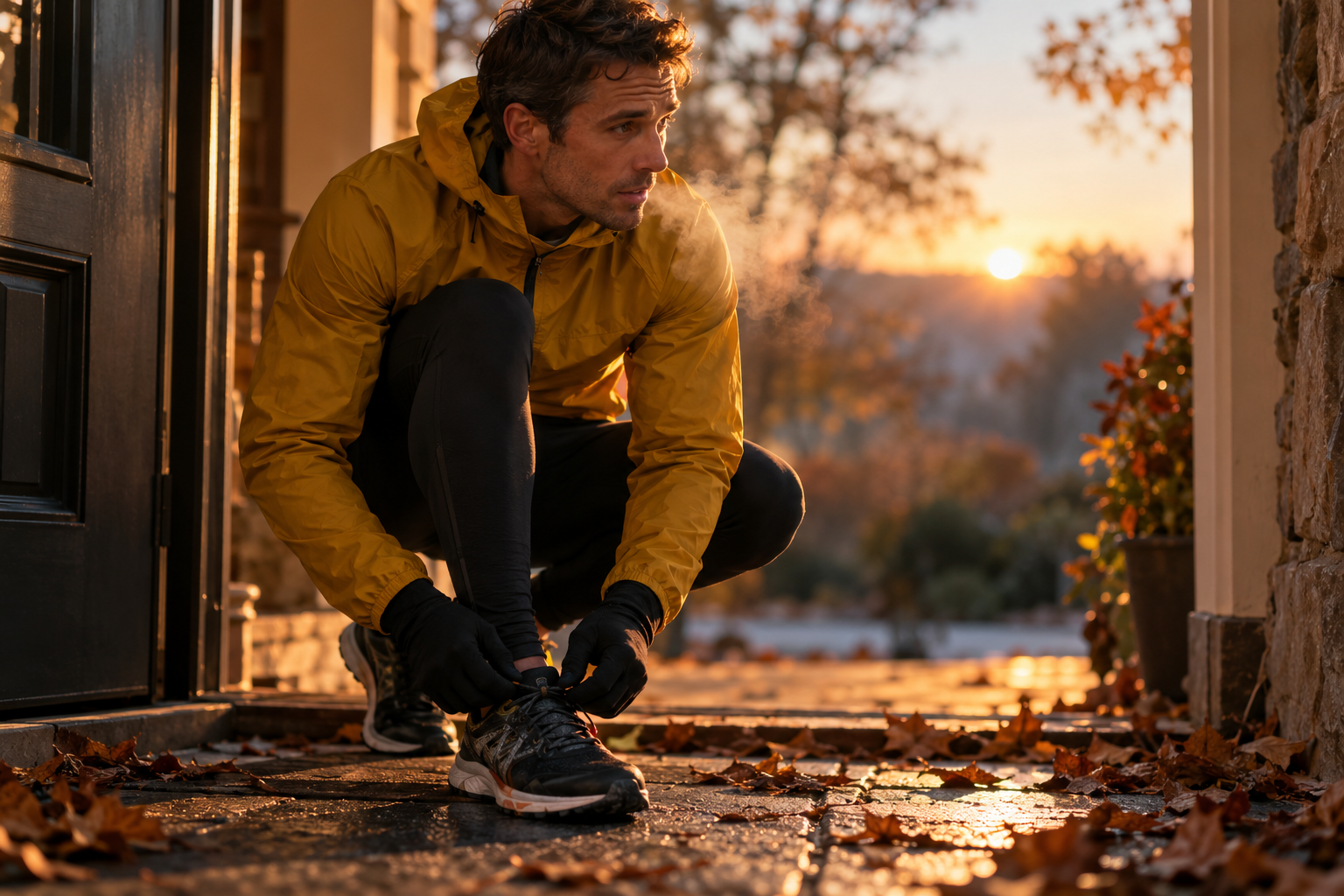
Moderate, consistent exercise protects against respiratory infections. What leaves the body most exposed is piling up training load without sleeping, eating or recovering enough. In autumn, with fewer daylight hours and more viruses in circulation, looking after your defenses starts with adjusting those three factors.
October brings together marathon plans, the return to the gym and the first colds of the season. It is also the time when more people become interested in dietary supplements designed for the immune system, and it makes sense to ask what role they really play. Here I explain what the evidence says, which habits matter most and how to read the label of one of these products without being carried away by the box.
What training does to the immune system
The relationship between exercise and infections is often drawn as a J-shaped curve. A person who does not move has an average risk, someone who trains regularly at moderate intensity reduces it, and someone who chains together very high loads sees it rise again. The model was proposed by the physiologist David Nieman in the nineties and remains a good starting point.
For years there was also talk of an “open window”: a few hours after intense effort during which the body would be left unprotected. That idea has lost strength. A review published in 2018 in Frontiers in Immunology argues that the drop in immune cells in the blood after training reflects their movement into other tissues, not a real decline in protection.
So why do so many runners get sick in race week? Because around a load peak other factors usually coincide: people sleep worse, travel, eat less than they burn and share space with thousands of people. Hard training rarely acts alone.
What matters most: sleep, energy and load
Before looking at any jar or vial, review these three areas. They are the ones that move the needle most and the ones most neglected when the plan gets demanding.
Sleeping more than seven hours
In a study published in the journal Sleep in 2015, 164 healthy volunteers received a rhinovirus nasally after a week with their sleep measured by actigraphy. Those who slept fewer than six hours were more than four times as likely to end up with a cold as those who slept more than seven. If you get up early to train at the expense of sleep, you are paying for the session with your defenses.
Eating what you burn
Training hard in an energy deficit is one of the combinations the immune system tolerates worst. In sessions longer than 90 minutes, taking in between 30 and 60 grams of carbohydrate per hour helps contain the rise in stress hormones. Autumn is not a good time for aggressive diets either if you are preparing for an event.
Spreading the load
Two hard days in a row cost more than the same two days separated by an easy one. Increase weekly volume gradually, take at least one truly rest day and cut back 20–30% every three or four weeks.
Small habits add to this and work well: washing your hands when you leave the gym, not sharing bottles and taking off wet clothes as soon as you finish.
What supplements can and cannot offer
A supplement fills gaps, but it does not make up for five hours of sleep or a poorly planned week. That said, some nutrients have a recognised role in immunity, and in the European Union that recognition is regulated.
Only a few substances may state on their label that they contribute to the normal functioning of the immune system: vitamins A, B6, B12, C and D, folate, and the minerals zinc, selenium, iron and copper. Any other ingredient may accompany the formula, but cannot be credited with that effect.
For those who train, vitamin C has a specific nuance. European regulations recognise that an additional 200 mg per day contributes to maintaining immune function during and after intense physical exercise. This is in line with a 2013 Cochrane review: in the general population it did not reduce the number of colds, but in marathon runners, skiers and military personnel subjected to extreme exertion the risk was halved.
Vitamin D deserves a separate look between October and March, when synthesis from sun exposure falls. If you always train indoors or at night, discuss it with your doctor before supplementing on your own.
How to read the label: a practical example
To bring all this down to earth, it helps to look at a specific supplement for the defenses. Propolvit Defens is a formula by MARNYS, the laboratory from Cartagena that has been manufacturing since 1968 and now distributes more than 400 products in over 60 countries. It comes in 10 ml drinkable vials, and the recommended intake is one a day before breakfast.
| Ingredient | Amount per vial |
| Royal jelly | 1,000 mg |
| Colostrum | 1,000 mg |
| Shiitake concentrate (organic) | 250 mg |
| Reishi concentrate (organic) | 250 mg |
| Purified propolis | 40 mg (equivalent to 100 mg of raw propolis) |
| Vitamin B6 | 1.4 mg (100% of the reference value) |
Reading it is straightforward if you apply the above. Vitamin B6 is the ingredient that supports the official claim: it contributes to the normal functioning of the immune system, to energy metabolism and to reducing tiredness and fatigue. Royal jelly, propolis, colostrum and mushrooms are ingredients with a long history of use that complete the formula.
The format makes sense for someone who trains early. A single-dose vial fits in a backpack, needs no water and takes seconds before leaving home. The brand positions it for seasonal changes and suggests assessing results after a quarter.
It is also worth reading the small print. It is a product for adults, not recommended during pregnancy or breastfeeding, and it contains colostrum, a milk derivative: it is not suitable for vegans or people with lactose intolerance. It does not contain gluten. If you are allergic to hive products or to mushrooms, or are following an immunosuppressive treatment, consult a professional first.
When to stop: the neck rule
Not even the best plan prevents every cold, so it is worth being clear about what to do when they arrive. The rule most used in sports medicine divides symptoms by where they are located.
- Above the neck (congestion, sneezing, slightly sore throat): you can train gently. A short easy run, no sets or heavy weights, and go home if you feel worse after ten minutes.
- Below the neck (fever, widespread muscle aches, chest cough, digestive discomfort): complete rest. Never train with a fever.
The return is done in steps. Wait until you have gone a full day without symptoms, resume with gentle sessions, and expect to need two or three days of readjustment for each day you were off. Losing a week of training hurts less than dragging a virus around for a month.
Frequently asked questions
Does training lower your defenses?
Not in general. Moderate, regular exercise is associated with fewer respiratory infections than a sedentary lifestyle. The risk rises when very high loads coincide with little sleep, energy deficit, stress or travel.
How many hours should an athlete sleep during a heavy training period?
At least seven hours, and ideally closer to eight or nine during the weeks of highest volume. Sleeping less than six hours multiplies by more than four the probability of catching a cold after exposure to a virus.
Can I train while I have a cold?
If the symptoms stay above the neck, you can do a short, gentle session. With fever, widespread muscle aches or a chest cough, rest until they disappear.
When does it make sense to start an immune-system supplement?
Usually at the start of autumn or a few weeks before a demanding block, and taken continuously. It supports a varied diet and adequate rest, never as a substitute for them.